Earth and humans possessed the same biological processes and were affected by space weather. Space weather impacts all life on the planet.
The “Big Pharma” made its official stamp as medical authorities in their own right in the early 19th Century. Before 1912, all hospitals had gardens of medicinal plants used to treat patients.
Over centuries, physicians wrote extensively of a medicinal plant called Yarrow, used to treat wounds and reduce fever. The records go back centuries, from written manuscripts that were already very old when they were first recorded.
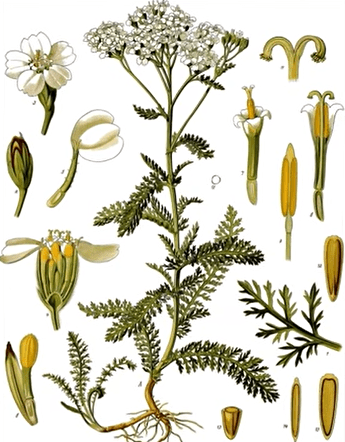
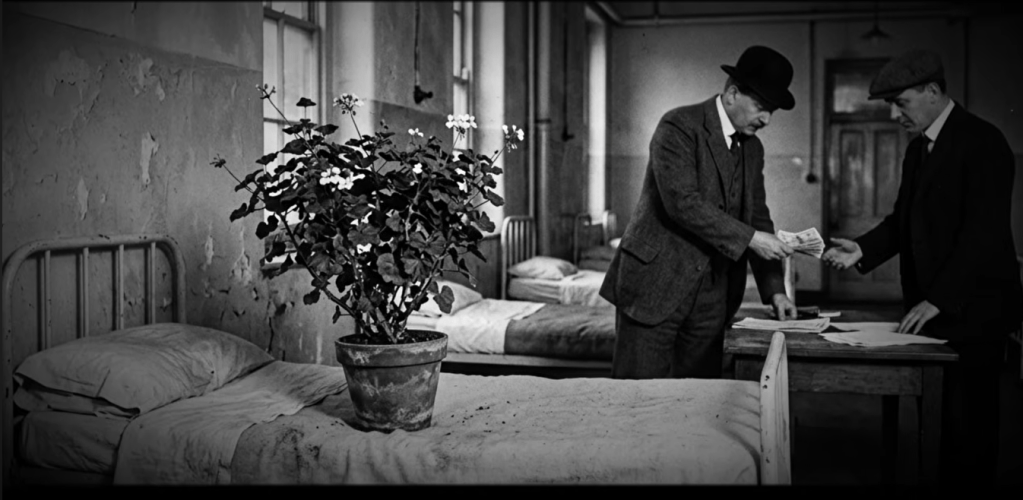
Yarrow grew in every major Hospital in Europe. Until the Rockefellars pulled it in 1912. It appeared in surgical recovery wards, in the garden of Institutions that treated the poor, and in the private greenhouses of Physicians who refused to rely on what the Apothecary sold.
Its presence was so consistent, so expected, that hospital architects in the 17th and 18th centuries incorporated raised garden beds into their building plans, specifically to accommodate it.
A Quick Death
Botanical manuals of the Era called it indispensable. The Rockefellars restructured Medical education in one single sweep. Physicians recorded outcomes and recoveries for which they had no explanation.
The speed of the dismantling is the most significant piece of evidence that what happened between 1912 and 1920 was not a scientific revolution. A scientific revolution does not happen in a decade.
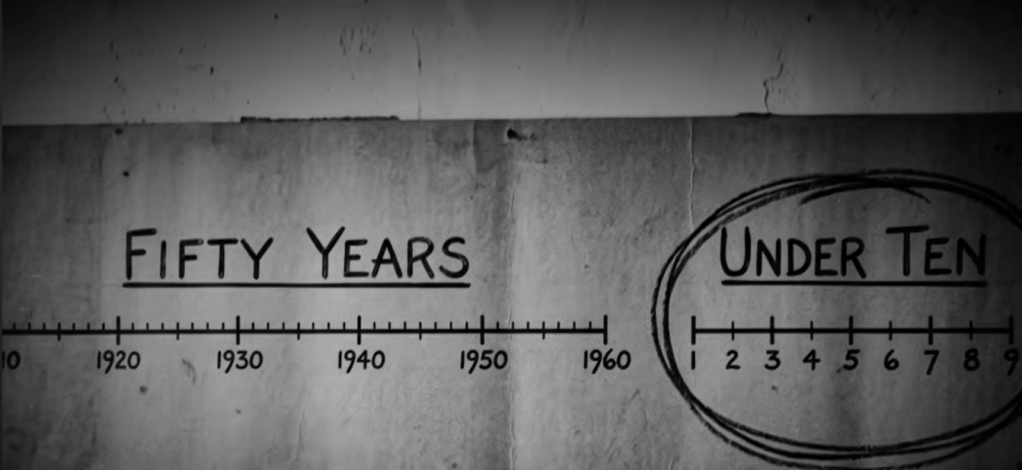
The “Germ Theory” took ‘fifty years” to replace the “miasmatic model”; that’s not how knowledge transfer works. This is how Institutional power works. By 1912, the plant was gone from hospital gardens.
Leaders of Gloom
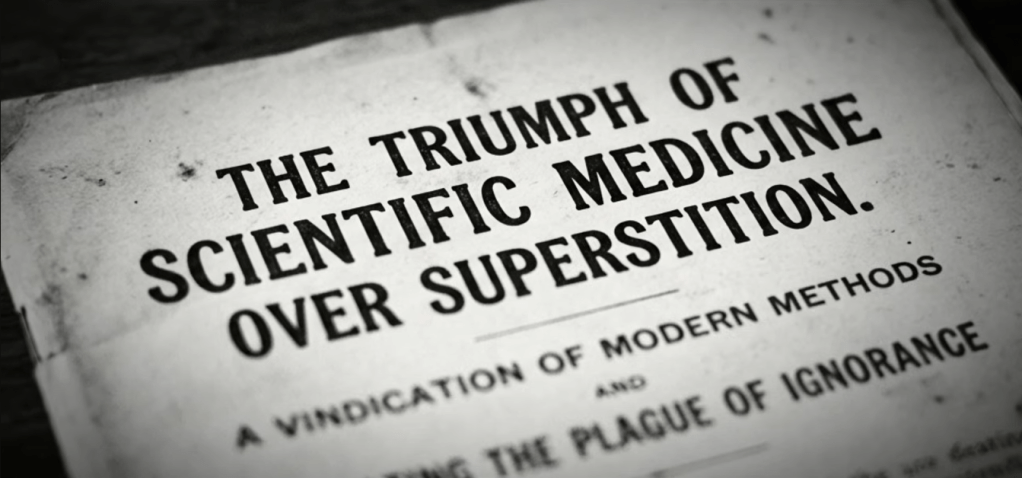
The Flexner Report was funded by the Carnegie Foundation and shaped by Rockefeller philanthropic interests. Programs that did not conform to the new pharmaceutical model lost accreditation; schools that trained students in Botanical Therapeutics were closed down. Hospitals that maintained garden beds as part of their treatment protocol were reclassified as ‘sub-standard.’

Named in the ‘old records’ as a wound healer used on wounds of Roman soldiers, this text is a minimum of 2,600 years old, describing a medical practice that was already old.

The hemostatic action of ‘Yarrow’, its ability to stop bleeding, was documented so consistently across numerous independent medical texts that dismissing it as ‘folklore’ would require ignoring an extraordinary volume of evidence.
The Physicians of the ‘old world’ were not only using “Yarrow for fever, but fever records are interesting. Most ‘fever management’ was the central challenge for institutional medicine before the 20th Century.
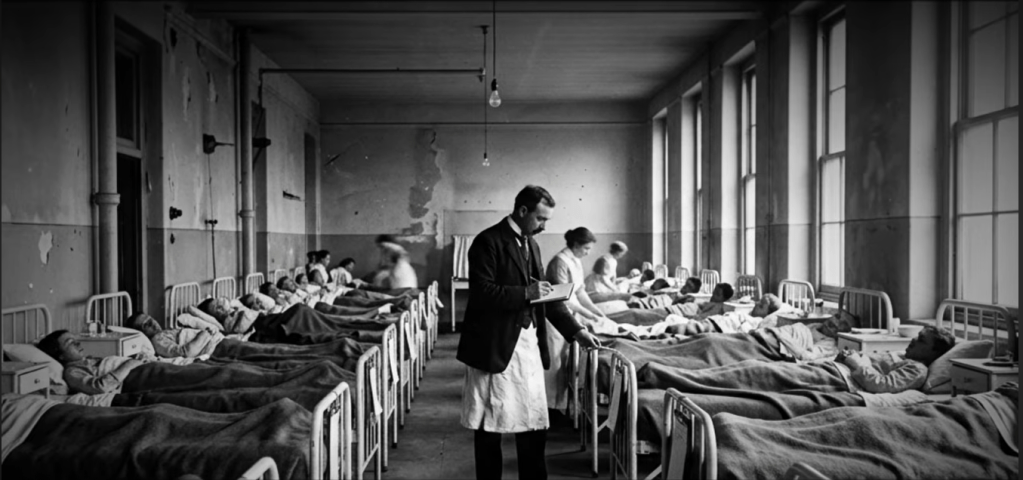
The Era before the removal of Yarrow from medical practice was one of Quinine for malarial fever and Mercury preparations for other conditions. Mercury! Physicians were being told to abandon Yarrow and were asked to replace Yarrow with a substance we now classify as a neurotoxin.
The Mercury compound, calomel, was a standard treatment in America through to the ‘Civil War’ Era. Those who objected to it and documented the damage it caused were marginalised within the profession long before the ‘Flexner reorganisation’ 1912 – 1920
Return To The Dark Ages
Yarrow preparations appear in fever treatment records from the earliest hospital documents through to the 19th Century with consistency that could not be explained by tradition alone. Hospitas that could not manage fever lost patients.
The methods that worked, the ones that reduced mortality, were the ones that survived in practice, regardless of whether patients fit the theoretical framework of the day.
Physicians documented the progression and sudden temperature reduction. The Physicians documented extensively and wrote bitterly of its removal from the evidence; alone, it tells the plant’s long history as a medicinal herb.
They documented theoretical effects and the induction of productive sweating. They documented that patients treated with “Yarrow preparations” during “fever crisis” had measurably better outcomes than those treated with the ‘standard alternatives.’
The ‘standard alternatives’ for fever in the Era before the removal of medicine from ‘Yarrow’ in institutional medicine were Quinine and certain Mercury preparations.

The narrative given for dismantling the educational framework and infrastructure of Botanical medicines was “scientific advancement ‘; the story is one of “progress,” but if you look at what the Botanicals were being replaced with, the story of progress becomes harder to tell with a straight face.
You are replacing a plant with over four hundred years of documented clinical evidence with mercury compounds and synthetic drugs that had no comparable evidence base, and you call it an upgrade!
Birth of Big Pharma
The Rockefellars cornered the market in pharmaceuticals, which they own and control to this day; they just use different names to cover their ‘greedy operation’. The removal of the entire infrastructure of Botanical Medicines itself, entire libraries of the preparation and treatment of Botanical medicine that was faithfully recorded for centuries for its healing properties for wounds and reducing fever, was a catastrophic loss for the human race, especially for the poor.
My Earthly body provided my children with an abundance of health herbs used in the treatment of wounds and sickness. There were plants for contraception. Aboriginal women had their babies three to four years apart, as a less burdensome load on the mother living in a semi-nomadic society, plus to preserve sustenance for generations yet to come.

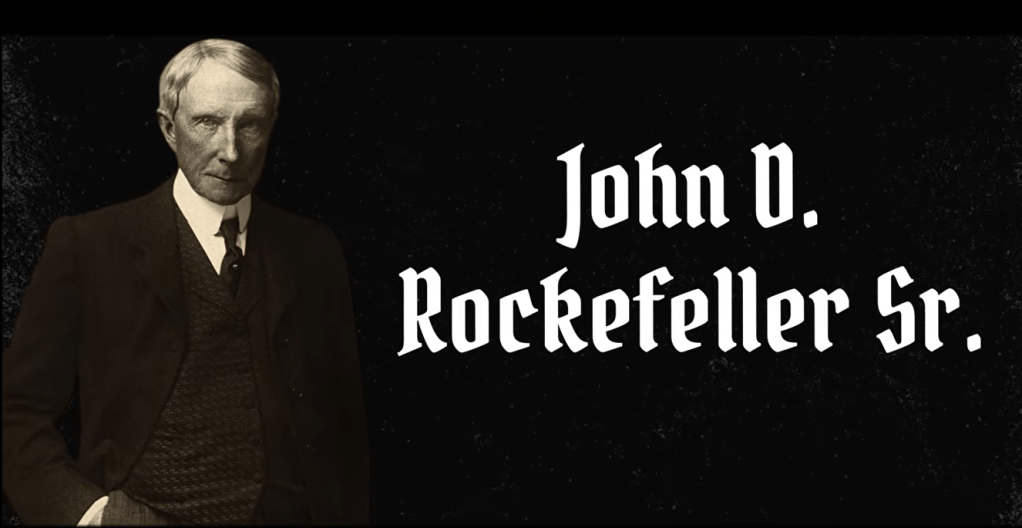
The irony is John D Rockefeller continued using botanicals prescribed by a naturopathic physician, and he lived to 99 years old. In his lifetime, he was instrumental in building the Illuminati empire to its “grand status” today. The Rockefellers are Freemasons, Pharmaceutical and “Weaponary” biggest money earners on the planet, while Earth is dying.
Cooloon is the Ngarakbul word that refers to Blue Fig or Quandong Tree Growth Cycle and marks the Beginning of a multi-step Song Line that follows the annual star paths. It teaches first-time initiates the first rule in Creation Lore: Not To Be Greedy.


Leave a Reply